How to Prepare Your Home for a Real Estate Photo Shoot
When it comes to selling your home, first impressions happen long before a buyer ever schedules a showing. In today’s digital-first real estate market, your listing photos are often the deciding factor in whether potential buyers click, scroll, or schedule a tour. That’s why preparing your home for a real estate photo shoot is one of the most impactful steps you can take before listing.
Below is a simple, room-by-room guide to help you get your home photo-ready—and make sure it shines online.
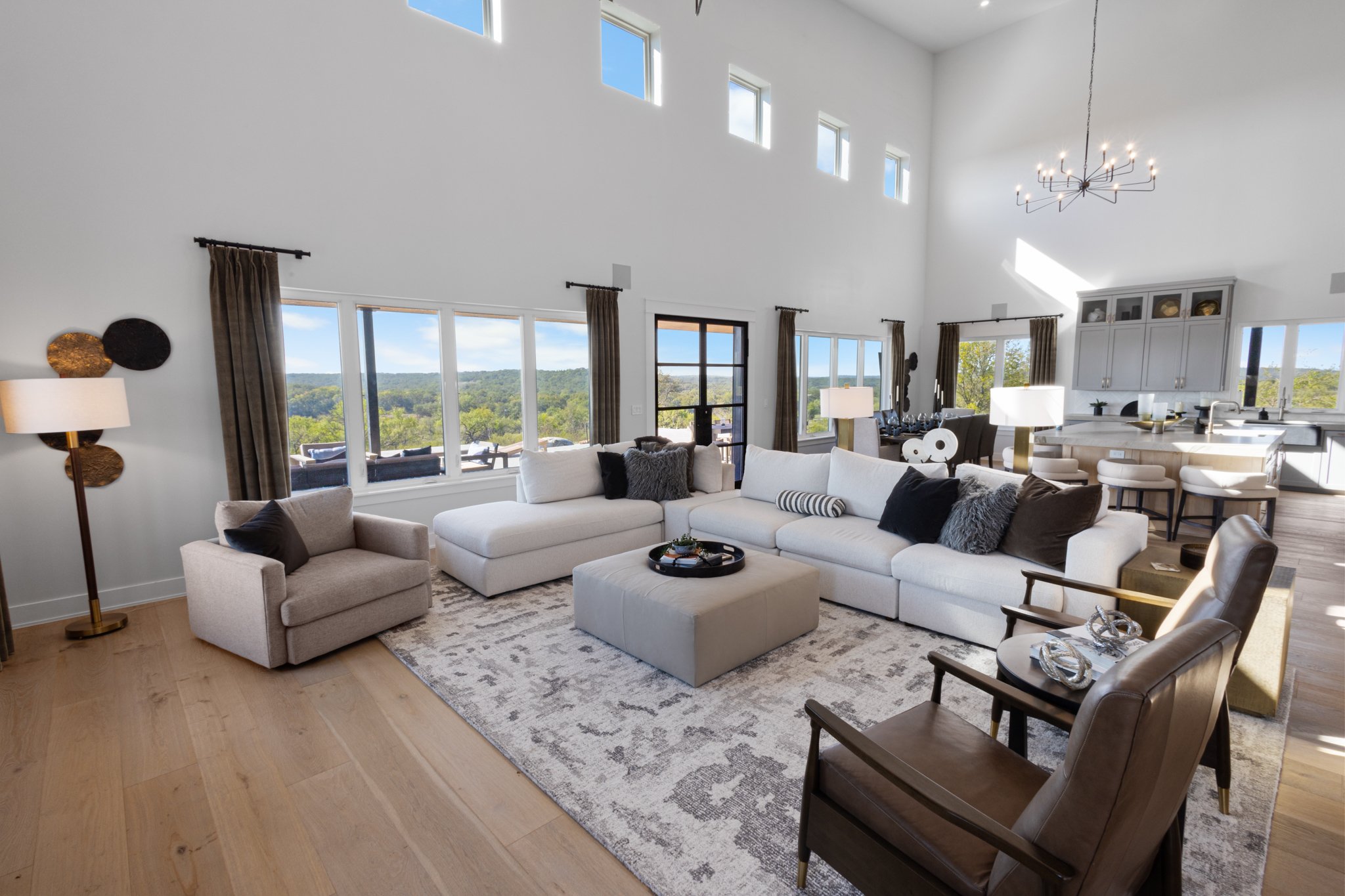
1. Start With a Deep Declutter
The camera loves clean, open spaces. Before your photographer arrives, take time to declutter every room.
Tips for success:
Clear kitchen and bathroom counters completely.
Remove piles of paper, extra décor, and small items.
Hide personal belongings like mail, toys, toiletries, and clothing.
Simplify shelves by removing overly personal or mismatched items.
A clean, minimal look helps buyers focus on the space, not your stuff.
2. Clean Like You Mean It
High-resolution photography picks up everything—dust, fingerprints, smudges, and streaks.
Prioritize cleaning:
Windows and mirrors
Floors, baseboards, and light fixtures
Kitchen appliances (especially stainless steel)
Sinks, faucets, and countertops
Bathroom tiles and shower doors
The cleaner the home, the more it sparkles in photos.
3. Depersonalize to Help Buyers Visualize
Buyers want to picture themselves living in your home—so remove anything that feels too personal.
Remove or store:
Family photos
Children’s artwork
Religious or political items
Excess décor
Personal hygiene items from bathrooms
Neutral spaces create emotional room for buyers to imagine their own lives in your home.
4. Maximize Natural and Artificial Light
Lighting can make or break a photo. Bright homes feel bigger, fresher, and more inviting.
Before the shoot:
Open all blinds and curtains
Turn on every interior light
Replace burnt-out bulbs
Use consistent bulb temperatures (all warm or all cool)
Let the light elevate your home’s best features.
5. Add Simple, Strategic Staging Touches
You don’t need a full redesign—just small touches to make each room feel polished.
Living room:
Fluff throw pillows and fold blankets neatly
Remove excess furniture for better flow
Hide cords and remotes
Kitchen:
Remove dish soap, sponges, and trash cans
Add one clean focal point like a bowl of fresh fruit or a plant
Clear refrigerator doors
Bathrooms:
Hang crisp, clean towels
Clear countertops completely
Close toilet seats
Remove bath mats for a cleaner visual line
Bedrooms:
Make beds hotel-style
Clear nightstands
Put away laundry baskets, shoes, and clothing
Exterior:
Mow the lawn and tidy landscaping
Sweep patios, decks, and walkways
Hide hoses, bins, and toys
Move cars from the driveway
These little enhancements create an editorial, magazine-worthy feel in your listing photos.
6. Make a Final Walkthrough Before the Photographer Arrives
Right before the shoot, take 10 minutes to walk through your home as if you were the buyer.
Check for:
Lights on in every room
Blinds open evenly
Fans turned off
Rugs straightened
Surfaces cleared
Doors set intentionally (all open or all closed for each shot)
Cords, chargers, and clutter hidden
This quick sweep often makes a big difference.
7. Put Pets and Their Items Away
As much as buyers love pets, they don’t want to see them in listing photos.
Before photos:
Hide pet beds, crates, food bowls, toys, litter boxes
Remove pet hair from furniture and floors
Keep pets out of the house during the shoot if possible
A pet-free aesthetic helps your home appear cleaner and more move-in ready.
8. Communicate With Your Photographer
A quick conversation can ensure you get the best results.
Ask:
Should lights be on or off?
Preferred blind or curtain positions?
Any specific shots they plan to take?
Should exterior spaces be staged in a certain way?
Photographers know what works—and what doesn’t—for your specific home.
9. Step Out During the Shoot
It might feel natural to hover or help, but photos turn out best when the photographer can work freely. If possible, leave the house during the session and return once the shoot is complete.